Best OBD Port GPS Tracking Solutions for Vehicles
Discover reliable OBD port GPS trackers that help monitor vehicle location, speed, and driving behavior. This guide highlights five top options with real-time updates, geofencing, and comprehensive data history. Each pick is plug-and-play, designed for quick installation, and suitable for personal use, teen safety, or fleet management. Compare features at a glance to choose the right balance of alerts, history, and price.
| Product | Brand | Key Feature |
|---|---|---|
| OBD GPS Tracker for Cars | GPSCOTECH | 3-month free trial with real-time tracking |
| Benbengo OBD GPS Tracker | Benbengo | 5-day free trial, detailed driving alerts |
| Spytec Pulse OBD GPS Tracker | Spy Tec | 2-second update speed, fleet-ready |
| Brickhouse Security GPS Tracker | Brickhouse Security | Geofencing and real-time monitoring |
| Optimus Plug-in GPS Tracker | OPTIMUS | Harsh driving alerts, history reports |
OBD GPS Tracker for Cars

GPSCOTECH’s OBD GPS Tracker installs quickly via the OBDII port with a built-in backup battery. The device is compact (41g) and designed for discreet placement without interfering with driving. The plan offers a three-month free trial with flexible post-trial options, including monthly, yearly, and multi-year rates. Real-time tracking and alerts help monitor speeding, ignition status, and geofence activity, making it suitable for teen safety and fleet oversight.
Benbengo OBD GPS Tracker for Vehicles

Benbengo’s device plugs into the OBDII port and delivers 10-second real-time updates with a one-year trip data history. It includes a 5-day free trial, followed by a predictable subscription plan. Features cover speeding alerts, geo-fence breaches, and driver behavior events such as hard braking and rapid acceleration, making it a strong option for teen monitoring or fleet safety programs.
Spytec Pulse OBD GPS Tracker

Spytec’s Pulse OBD GPS Tracker emphasizes speed and reliability, updating every second for precise location data. It’s designed for easy plug-and-play installation with ignition on/off alerts and vehicle movement tracking. A subscription is required, with plans that emphasize low-cost access and ongoing support—ideal for fleet managers or individuals needing rapid, accurate updates.
Brickhouse Security GPS Tracker
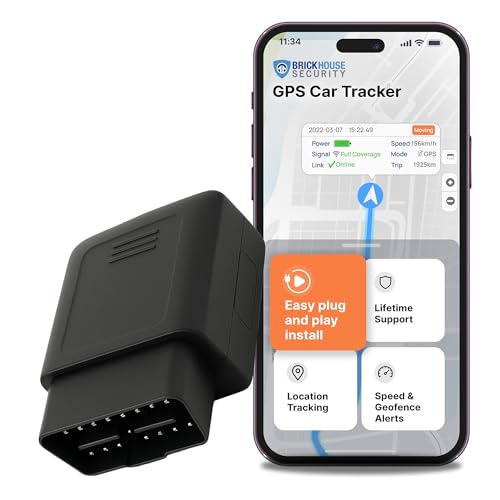
Brickhouse Security’s OBD II tracker supports geofences, real-time surveillance, and driving-behavior monitoring. It’s designed for both personal and fleet use, with alerts for entry/exit of defined zones and activity monitoring that can help reduce fuel consumption, wear, and risk. The system emphasizes safety and compliance, making it suitable for families and small businesses alike.
Optimus Plug-in GPS Tracker

Optimus provides easy OBD port installation with an extension cable and 1-year historical data. It includes a dedicated app for iOS and Android, with alerts for movement, speeding, and geofence events. The device supports multiple device monitoring and offers harsh-driving alerts to help identify aggressive driving patterns, making it a practical choice for safety-conscious households or small fleets.
Buying Guide: Key Purchase Considerations for OBD Port GPS Trackers
Who is this for? Consider whether you need personal use, teen monitoring, fleet management, or rental coordination. Higher-end models often provide more detailed history and smarter alerts, while entry-level options focus on real-time location and basic geofencing.
Real-time updates vs history. If you require minute-by-minute visibility, prioritize trackers offering sub-10-second updates or very frequent refresh rates. For post-trip analysis, look for at least several months of historical data and easy export formats.
Geofencing capabilities. Define custom zones, monitor zone entry/exit events, and, if possible, nest multiple zones for complex operations (airports, campuses, or client locations). Check the number of geofences supported and alert customization.
Alerts and driving behavior. Speed alerts, ignition status, hard braking, and rapid acceleration can improve safety. Some devices provide configurable speed thresholds and multiple alerts per vehicle.
Power and installation. Most options are plug-and-play via the OBDII port, but some may include built-in backup power. Ensure the installation does not interfere with vehicle warranties or daily usage, and verify the device size for discreet placement.
Data privacy and compliance. Review how data is stored, how long it’s kept, and who can access it. Fleet applications should consider data retention policies and user access controls.
Pricing and plans. Compare trial periods, monthly vs yearly pricing, and contract terms. Consider total cost of ownership, including required subscriptions and data limits.
Support and ecosystem. Look for active customer support, availability of mobile apps, and compatibility with your devices and operating systems. Fleet users may benefit from multi-user access and reporting features.