Best Motor Oil Treatment Products for Engine Protection and Performance
Choosing the right motor oil treatment can enhance lubrication, reduce friction, and extend engine life. This guide analyzes popular oil additives and engine treatments designed for American vehicles, highlighting how each product improves wear resistance, seals, and fuel efficiency. The selection below features well-known brands and formulas that target high-mileage engines, general wear, and advanced friction reduction. Use this overview to compare additives, then review each product’s specific benefits to determine the best fit for your vehicle’s needs.
| Product | Brand | Key Benefit |
|---|---|---|
| Liqui Moly MoS2 Anti-Friction Engine Treatment | Liqui Moly | Forms a high-load lubricant film reducing friction across engine surfaces |
| Lucas Oil 10118 High Mileage Oil Stabilizer | Lucas Oil | Reduces wear and minimizes noise, emissions, and oil consumption |
| Lucas Oil 10016 Complete Engine Treatment | Lucas Oil | Cleans and lubricates fuel system; removes deposits; protects upper engine components |
| MotorSilk Engine Oil Treatment | Motor Silk | Increases mileage, lowers emissions, reduces friction and wear |
| STP High Mileage Oil Treatment + Stop Leak | STP | Protects seals and reduces leaks in vehicles over 75k miles |
Liqui Moly MoS2 Anti-Friction Engine Treatment

Liqui Moly MoS2 Anti-Friction Engine Treatment comes in a 300 ml can designed for universal fit. The MoS2-based formula forms a robust lubricating film on all friction surfaces, helping the engine run more quietly and smoothly, even at higher RPMs. The product is formulated to deliver a high-load bearing film, reducing metal-to-metal contact and wear. It is suitable for a wide range of gasoline engines and is a popular choice for preventative maintenance and performance optimization. Users often report noticeable improvements in engine sound and perceived responsiveness after treatment.
Lucas Oil 10118 High Mileage Oil Stabilizer

Lucas Oil 10118 High Mileage Oil Stabilizer is designed to reduce engine wear and minimize typical high-mileage issues. It lubricates internal parts to help minimize wear, and it targets noise, emissions, and oil consumption associated with worn engines. The product is positioned as a preventive and corrective treatment for engines with substantial mileage, aiming to restore smoother operation and extend engine life. It blends with conventional motor oils to deliver a protective film that can help quiet lifters and looseness in older engines.
Lucas Oil 10016 Complete Engine Treatment

Lucas Oil 10016 Complete Engine Treatment provides a comprehensive approach by cleaning and lubricating the entire fuel system—from the tank to injectors. It also removes harmful deposits on intake valves and cylinder heads, and lubricates upper cylinder walls, including compression rings and oil rings. The formula is designed to promote cleaner combustion, potentially improving efficiency and reducing emissions. This product is suitable for engines seeking a broader maintenance boost beyond simple lubrication.
MotorSilk Engine Oil Treatment
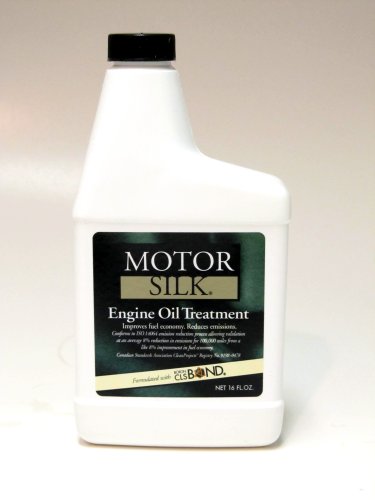
MotorSilk Engine Oil Treatment is marketed for mileage enhancement and friction reduction. It is claimed to increase gas mileage and reduce emissions while lengthening engine life by reducing wear by up to 80%. The formula aims to lower operating temperatures and extend the life of engine components by creating a protective lubrication layer. It’s positioned for drivers seeking a balance of performance gains and efficiency improvements, with broad compatibility across many gasoline engines.
STP High Mileage Oil Treatment + Stop Leak

STP High Mileage Oil Treatment + Stop Leak targets vehicles with over 75,000 miles. The product includes a ZDDP-based oil additive to provide anti-wear protection and an engine stop-leak component to rejuvenate seals and gaskets. The combined action helps reduce leaks, noise, and smoking while improving overall performance. As a high-mileage solution, it emphasizes protective cushioning between moving parts and seal conditioning to extend engine life between maintenance cycles.
Buying Guide: Key Purchase Considerations
When selecting a motor oil treatment, consider engine type, mileage, and driving conditions. High-mileage vehicles may benefit from seal conditioning and wear protection, while newer engines often respond well to friction-reduction formulations. Here are practical factors to guide your choice:
- Purpose and scope: Decide whether you want friction reduction, cleaning, or seal protection. Some products combine several benefits, while others focus on a single need.
- Engine mileage: High-mileage engines may gain more from treatments designed to minimize leaks and wear, whereas newer engines may prioritize friction reduction for performance gains.
- Compatibility: Ensure the product is compatible with your oil type (synthetic, conventional, or blend) and engine specifications. Universal formulations tend to work across many vehicles, but always verify.
- Usage pattern: Consider whether you’ll use the additive as a one-time boost or as part of regular maintenance intervals. Some products are recommended for periodic use with oil changes.
- Deposit management: If you have known deposits, look for cleaners and detergents in the formulation that target intake valves and fuel system cleanliness.
- Warranty and approvals: Check manufacturer recommendations and any warranty implications when adding non-standard treatments to your oil.
- Environmental and emissions impact: Some additives claim emission reductions; evaluate if these benefits align with your goals and local regulations.
In practice, for preventive maintenance on a broad range of American engines, a high-quality MoS2 or additive designed for mileage protection provides a good balance of wear reduction and reliability. For aging engines with leak concerns, a stop-leak enhanced treatment can offer practical benefits while maintaining performance. Always follow the product’s directions and consult your vehicle’s owner manual if unsure about compatibility or usage frequency.