Best Metal Auto Body Filler: Top Reinforced Fillers for Durable, Smooth Repairs
When repairing metal surfaces on vehicles, selecting a reinforced filler that bonds well, sands easily, and resists corrosion is essential. The following products are among the strongest, easy-to-use metal fillers designed for aluminum, steel, and galvanized surfaces. This guide highlights their key features, performance benefits, and suitability for various repair scenarios to help you choose the right filler for surface preparation, dent repair, and long-lasting results.
Summary of selected products:
- Bondo Metal Reinforced Filler – High Strength Filler, Can be Drilled and Tapped – 15 Fl oz with 0.37 oz Hardener (3M)
- Evercoat Body Shop 105013 Metal Reinforced Filler for Repairing Rust and Holes in Aluminum & Galvanized Steel
- Evercoat Metal-2-Metal Aluminum Reinforced Highly Adhesive Filler for Metal Surfaces – 1100 Grams
- KMK 1301 Aluminium Putty – High-Strength Automotive & Industrial Repair Filler for Metal & Aluminum
- Roberlo Maxifill Superior Lightweight Body Filler – Adheres to Fiberglass, Metal, Plastic & More
Bondo Metal Reinforced Filler – High Strength

The 3M Bondo Metal Reinforced Filler combines aluminum reinforcement with a fast-drying formula, delivering extra strength for cosmetic repairs that require drilling, anchoring, or tapping. This filler is designed to resist rust and provide a durable surface suitable for high-stress areas on metal components. It sands well after curing, enabling a smooth blend with surrounding panels.
Evercoat Body Shop 105013 Metal Reinforced Filler

Evercoat Body Shop 105013 focuses on maximum adhesion to aluminum, galvanized steel, and steel. It offers corrosion and impact resistance, ideal for rust and hole repairs. The filler sands easily for a professional finish and reduces labor time, making it suitable for shop-grade repairs as well as hobbyist projects.
Evercoat Metal-2-Metal Aluminum Reinforced Filler

This aluminum-reinforced filler provides a durable, highly adhesive solution for metal surfaces. Its easy sanding and waterproof properties support reliable repairs in high-stress areas. The product is designed for longevity and corrosion resistance, making it a solid option for professional body work on cars and other metal structures.
KMK 1301 Aluminium Putty
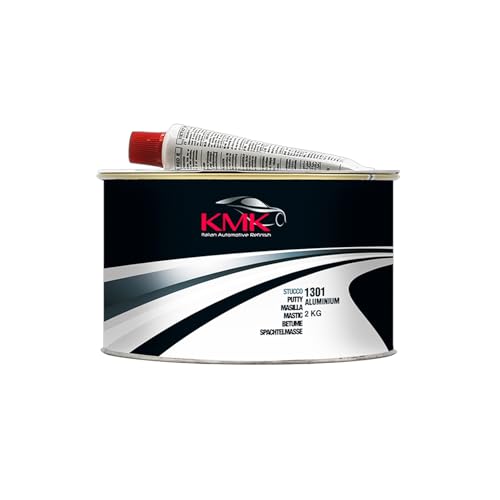
KMK 1301 Aluminium Putty is a high-strength repair filler designed to bond to aluminum and metal surfaces. It offers heat and impact resistance, making it suitable for automotive and industrial repairs exposed to varying temperatures and vibrations. The product spreads smoothly for a clean finish and reliable adhesion on metal substrates.
Roberlo Maxifill Superior Lightweight Filler

Roberlo Maxifill is an advanced lightweight body filler designed for ease of use and a smooth finish. It adheres well to fiberglass, metal, and plastic, enabling efficient repairs for dents and scratches. The included hardener ensures proper curing for durable, paintable results that can be finished with standard automotive paints.
Buying Guide: Key Purchase Considerations
When choosing a metal body filler, consider surface compatibility, anticipated environmental conditions, and application requirements. The following factors help compare options across brands and formulations:
- Adhesion and substrate compatibility: Look for fillers rated to bond with aluminum, galvanized steel, and plain steel, especially if you work with mixed-material panels.
- Reinforcement and strength: Aluminum-reinforced fillers offer higher tensile strength for areas that will be drilled, tapped, or require mounting hardware.
- Drying time and sanding: Fast-dry formulations speed up workflows, but ensure they still sand evenly with common grits for a smooth surface.
- Corrosion and longevity: In environments prone to moisture or salt exposure, corrosion resistance becomes critical to prevent future repairs.
- Ease of use: Consider spreadability, work time, and vertical hold to determine suitability for complex panels or repairs in tight spaces.
- Versatility: Some fillers work across multiple substrates, including fiberglass and wood, which is helpful for composite repairs or mixed-material projects.
- Hardener inclusion and storage: Check whether the hardener is included and stored properly to prevent premature curing or loss of potency.
Practical selection tips:
- Choose an aluminum-reinforced filler for high-stress repairs where you may drill or mount hardware.
- For rust-prone areas, prioritize corrosion resistance and easy sanding with a consistency that leaves a smooth finish.
- If you are performing repairs on mixed materials, select fillers with proven adhesion to multiple substrates.
Across these options, the products listed provide reinforced formulations, strong adhesion, and sanding convenience suited for professional auto body work and DIY repairs. Always follow the manufacturer’s instructions for mixing ratios, curing times, and safety precautions when working with these fillers.