Best Hand Pumps for Fuel: Top Siphon Pumps for Quick, Safe Transfers
Finding a reliable hand pump for fuel can simplify roadside troubleshooting, lawn care, and small engine maintenance. This guide highlights five popular siphon pumps designed for gasoline, diesel, water, and other common liquids. Each product combines portability, ease of use, and practical safety features to help you transfer fuel quickly without spills. Below you’ll find a concise overview, followed by in-depth product sections and a practical buying guide to help you choose the right pump for your needs.
| Product | Brand | Key Use | Highlights |
|---|---|---|---|
| H-veenjor Gasoline Siphon Hose Pump | H-veenjor | Gasoline, diesel, oil, water | Large 15mm hoses, built-in one-way valve, lightweight |
| Luigi’s Siphon Pump | Magic Gel | Water and fuels | Fast flow, durable PE construction, versatile |
| SMART JERRY Siphon Pump | SMART JERRY | Gasoline, antifreeze, oils | Tool-free assembly, upgraded shark-bite connection, high flow |
| HORUSDY Multi-Use Siphon Kit | HORUSDY | Gas, oil, water, inflatables | 3-in-1 transfer, durable ABS, portable |
| SEDY Electric Hand Pump | SEDY | Gas, diesel, water | 2.2 GPM, quick transfer, durable materials |
Note: All products are designed for non-edible liquids. Always follow local safety guidelines when handling fuels and avoid ingestible liquids or contaminated sources.
H-veenjor Gasoline Siphon Hose Pump

The H-veenjor hand pump is engineered for faster pumping thanks to upgraded 15mm hoses, which helps move fuel quickly with fewer squeezes. A built-in one-way valve minimizes backflow, and the unit is very light at around 290g, making it easy to carry for field work or emergency refills. The kit includes two premium PVC hoses and is suitable for gasoline, diesel, oil, and water transfers. Its user-friendly design makes it a practical option for emergency gas transfers and tank-to-container operations. It is not recommended for drinking water or edible oils.
Key features include a clearly marked flow direction on the valve body, simple operation by hand, and compatibility with common fuel containers. The pump supports multipurpose use around vehicles, boats, and home equipment, especially where power for an electric transfer system is unavailable.
Luigi’s Siphon Pump

Luigi’s Siphon Pump emphasizes quick siphoning with a flow rate around 10 liters per minute, making liquid transfers faster and cleaner than scooping or DIY methods. Constructed from durable PE plastic, the pump is built to withstand repeated use with a variety of liquids, including fuels and chemicals. It’s suitable for homeowners, DIYers, campers, mechanics, and industrial users alike. Its transfer performance is reliable for small scale liquid handling tasks, including fueling equipment and transferring liquids from containers to reservoirs.
SMART JERRY Siphon Pump

SMART JERRY’s siphon pump offers easy, tool-free assembly in under 10 seconds, featuring an upgraded shark-bite connection that locks hose ends securely for leak-free transfers. It is designed for automotive coolants, antifreeze, and a range of fuels. Real-world performance estimates suggest transfer speeds of about 2.5–3 gallons per minute with water, with higher efficiency in repeated tests. The system emphasizes quick setup, reliable sealing, and practical use across car maintenance, lawn care, and workshop tasks.
SMART JERRY Fluid Transfer Pump

This second SMART JERRY model stands out for tool-free assembly in seconds and robust flow rates in the 2.5–3 gallon per minute range when pumping water. It emphasizes leak-free operation with upgraded seals and is designed for multi-liquid use, including oils and lawn equipment fuels. Per the manufacturer, the pump is suitable for quick, hands-free operation once attached, making it a practical option for homeowners tackling routine maintenance tasks and small-scale transfers.
HORUSDY Multi-Use Siphon Kit

The HORUSDY kit emphasizes versatility with two clear hoses and a black air pressure hose, plus lock-on connectors and adapters for easy setup. It is designed for transferring fuels, oils, and even water from boats, lawn equipment, generators, and similar machinery. The 51-inch hoses enable access to deeper tanks, while the manual operation eliminates reliance on electricity, enhancing safety in fuel handling scenarios. The kit’s robust ABS construction contributes to durability in varied environments.
BestCosy Portable Transfer Pump (Battery Powered)

This battery-operated pump is designed for on-the-go fuel transfer, ideal when power outlets are unavailable. It runs on two D cells or six AA batteries, delivering a practical 2.6 GPM flow with a 1/2 inch discharge tube. The design emphasizes portability for outdoor activities, field work, or emergency use. Battery operation ensures flexibility, particularly for remote sites or when portable fueling is required.
SEDY Electric Hand Pump
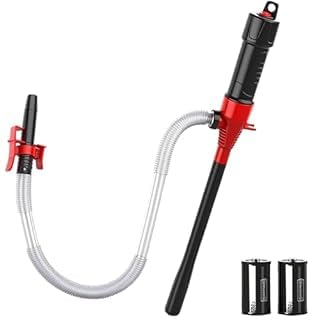
SEDY’s electric hand pump combines fast transfer rates with ease of use, boasting a 2.2 GPM suction performance. It is designed for roadside or emergency fueling, featuring a 3-foot hose and materials selected for corrosion resistance and durability. The unit is suitable for gasoline, diesel, and water, highlighting the efficiency benefits of electric pumps when a battery or power source is accessible.
Buying Guide: Choosing the Right Hand Pump For Fuel
- Purpose and compatibility: Determine which liquids you will transfer (gasoline, diesel, water, antifreeze, or oil) and verify that the pump is rated for those substances. Some models are optimized for fuel and offer leak-proof seals, while others are more universal for multiple liquids.
- Manual vs electric: Manual pumps offer independence from power sources, making them ideal for emergencies or remote locations. Electric or battery-powered pumps deliver higher throughput and ease of use but require a power source and battery maintenance.
- Flow rate and hose length: Consider the target tank depth and container size. Higher flow rates (gallons per minute) save time but may increase splash risk. Longer hoses improve reach for deep or distant tanks.
- Ease of assembly and sealing: Tool-free assembly reduces setup time. Look for secure hose connections (such as shark-bite or locking fittings) to minimize leaks and spills during transfers.
- Material quality and durability: Durable plastics (PE, ABS) and corrosion-resistant components help ensure longevity in fuel environments. Inspect seals and gaskets for compatibility with fuels and additives.
- Safety and handling: Choose pumps with clear directional flow indicators and one-way valves when available. Follow safety guidelines for venting, grounding, and avoiding static discharge during pumping.
- Portability and storage: For field use, compact designs with lightweight construction and included hoses are preferable. A kit with a carrying case or compact storage helps keep components organized.
- Maintenance and replacement parts: Check for availability of replacement hoses, seals, and valves. Easy maintenance reduces downtime and extends pump life.
- Environment and use case: If you’re using the pump around boats, lawn equipment, or small engines, ensure hoses are long enough and resistant to fuel exposure and solvents found in those settings.
- Regulatory and safety considerations: Store fuels away from heat sources, follow local regulations for fuel handling, and ensure children and pets are kept away during operation.
Across these options, the best choice depends on your typical tasks: quick home fuel transfers may favor tool-free, high-flow models; emergency or outdoor scenarios lean toward battery-powered options; and routine maintenance often benefits from quick-connect fittings and sturdy construction. Always inspect hoses for wear, replace aging components promptly, and follow the manufacturer’s instructions for safe operation.