Best Glue for Plastic Car Bumper: Top 5 Adhesives for Repairs
When a plastic car bumper sustains damage, choosing the right adhesive is crucial for a durable, long-lasting repair. The following picks are among the most popular, offering strong bonds, fast set times, and resistance to heat, oil, and moisture. This guide highlights five reliable options that work well on plastics, trims, and surrounding car panels, helping you restore integrity without professional help.
| Product | Brand | Key Advantage |
|---|---|---|
| J-B Weld Plastic Bonder | J-B Weld | 1:1 mix, fast set, strong 3770 PSI bond |
| J-B Weld BumperWeld | J-B Weld | Specialized bumper repair with self-mixing mixer |
| WoldoClean Super Glue | WoldoClean | Waterproof, heat resistant, exterior trim bonding |
| KRAFTPROTZ Automotive Gel | KRAFTPROTZ | No-drip gel for bumpers and trim |
| DREAH LIFE Plastic Glue | DREAHLIFE | Fast drying, invisible bonds for various plastics |
J-B Weld Plastic Bonder Body Panel Adhesive and Gap Filler
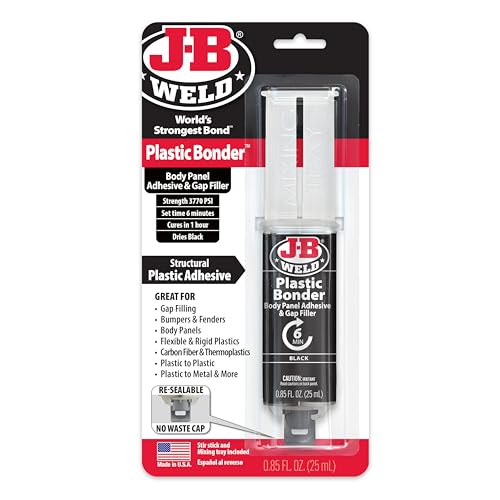
J-B Weld Plastic Bonder is a 2-part urethane adhesive designed for plastics, composites, and coated materials. It bonds thermosets, carbon fiber, and metal surfaces with a strong 3770 PSI tensile strength. The system features a 1:1 mixing ratio and sets in about 15 minutes, with sanding possible after 30 minutes. Its durable bond and versatility make it suitable for structural bumper repairs, gap filling, and long-term reinforcement on plastic panels facing daily road stresses.
J-B Weld BumperWeld, Tan, Bumper Repair

BumperWeld is a two-part adhesive with a 1:1 mix ratio that specifically targets bumper repairs. It sets in about 15 minutes and cures enough to sand and paint within 30 minutes. The bond reaches 3770 PSI with 35% elongation, making it capable of filling gaps, sealing cracks, and restoring bumper strength. The included static mixer simplifies application, especially when repairing curved or uneven bumper surfaces.
WoldoClean Super Glue for Cars & Auto Body Repair

WoldoClean offers a robust car-specific glue designed for instant repairs on plastic, metal, and rubber exterior trim. Its waterproof and heat-resistant formula makes it suitable for fixing emblems, loose bumper parts, and weatherstrips. The bond is durable for automotive exterior surfaces and helps secure trim pieces that experience exposure to weather and road conditions.
KRAFTPROTZ Automotive Gel for Bumpers & Trim

Precision gel from KRAFTPROTZ stays in place on vertical bumper surfaces with a no-drip formula. It provides a strong hold under vibration and road stress, making it suitable for trucks, motorcycles, and RVs. The XXL size offers more glue per repair, supporting repeated applications for restorations or large bumper fixes without frequent restocking.
DREAH LIFE Plastic Glue for Repair
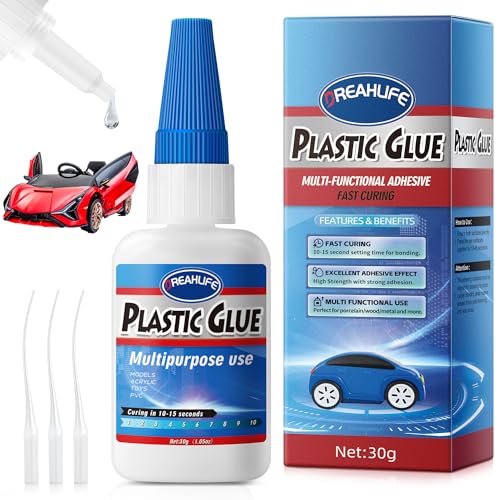
DREAH LIFE plastic glue emphasizes strong, invisible bonds for a wide range of plastics. It dries quickly, typically in 10–30 seconds, and is designed for durable, long-lasting repairs on car parts such as bumpers, panels, and other exterior plastics. Proper surface preparation and immediate clamping help optimize the bond’s strength and durability.
Buying Guide: Key Purchase Considerations And Comparisons
When selecting a glue for plastic car bumper repairs, consider surface compatibility, cure time, bond strength, and resistance to heat, moisture, and impact. For bumper repairs, a two-part epoxy or urethane adhesive often offers better gap filling and structural strength than standard cyanoacrylates. Gel formulations help with vertical surfaces and lubricated edges, while fast-drying liquids are convenient for quick fixes but may require clamping or masking to avoid runs.
Important factors to compare across products:
- Bond type and curing chemistry: Two-part epoxies or urethanes vs. cyanoacrylates.
- Set and cure times: Short times enable rapid repairs, but longer cures can improve final strength.
- Viscosity and application: Gel vs. liquid; run-proof on vertical surfaces matters for bumpers and trims.
- Flexibility and elongation: Bumper materials need some give to absorb vibrations and temperature shifts.
- Heat and chemical resistance: Exposure to engine heat, oil, fuels, and weather requires durable bonds.
For best results, prepare the surfaces by cleaning, drying, and lightly roughening where appropriate. Apply in thin, even layers, clamp if possible, and allow full cure per manufacturer guidance before subjecting the repaired area to stress. Consider carrying more than one adhesive option for different bumper sections or types of damage, such as a fast-acting gel for vertical edges and a tougher two-part epoxy for structural gaps.