Best Engine Valve Seal Treatment Solutions for Leaks and Oil Burning
Valve seal issues can cause oil leaks, burning oil, and blue exhaust. This guide highlights select valve seal treatments and related products designed to seal leaks, rejuvenate seals, and reduce smoke. Each item below includes a brief summary of benefits, how it works, and practical usage notes to help American drivers choose confidently.
Buying Guide Snapshot
| Product | Type | Best For | |
|---|---|---|---|
| Bar’s Leaks OS-1 Oil Seal | Oil seal restoration & leak repair | Leaking seals, valve guides, blue smoke | Works across many engine types; dosage varies by engine |
| XADO ATOMEX Oil Additive | Seal restoration & leak prevention | High mileage engines, rear main seals | Elasticity restoration for gaskets and seals |
| Bardahl NoSmoke + StopLeak | Oil burn reduction & leak sealer | Oil-burning, noisy engines | Also helps reduce exhaust smoke and noise |
| MotorPower Care Engine Stop Leak | Oil leak stop & seal protection | Engine oil leaks, seals | Safe and effective formula for multiple engines |
| FEL-PRO Valve Seal Sets | Valve stem seal replacement | Valve stem seal repair and replacement | Part-specific fit; check vehicle compatibility |
Bar’s Leaks OS-1 Oil Seal Engine Oil Burning and Leak Repair

Bar’s Leaks OS-1 is designed to repair leaking main seals and gaskets in gasoline and diesel engines, including turbocharged and hybrid setups. It also replenishes worn valve seals and guides, making it suitable for engines that use more than a quart of oil per day. The product is marketed to stop oil burning and blue exhaust smoke across a wide range of cylinder configurations. For best results, follow the dosage instructions tied to engine size and application, and apply to engines in good mechanical condition for predictable outcomes.
Usage considerations: This treatment targets seals and guides, but not all leaks respond equally. It is generally recommended for engines with moderate oil loss and for those seeking a preventive boost in older engines. It can be used in heavy-duty applications by adjusting the dose as specified in the product guidelines. Always ensure the engine is within normal operating temperatures prior to application.
XADO ATOMEX Oil Additive Stop Leak Engine

XADO ATOMEX is an oil additive formulated to restore the elasticity of rubber gaskets and seals while stopping engine oil leaks. It is designed for use in all engines, including autos and motorcycles, offering a slick formula to rejuvenate seals and prevent future seepage. In addition to leak sealing, the product is marketed to extend engine life by reducing wear on the valve train and protecting against viscosity and thermal breakdown. It is positioned as a cost-effective solution for older engines facing seal deterioration and oil loss.
Usage considerations: For high-mileage engines, this additive can help restore seal integrity as part of a preventive maintenance routine. Do not rely on this as a substitute for mechanical repair in cases of major seal failure. Always perform a proper diagnosis to determine whether a seal replacement is necessary.
Bardahl NoSmoke + StopLeak Motor Oil Additive

Bardahl NoSmoke + StopLeak combines oil-burning reduction with leak-sealing capabilities. The formula aims to fill loose tolerances, reduce exhaust smoke, and quiet noisy lifters by sealing gaps that develop in aging engines. It also claims to support emissions by helping maintain cleaner exhaust. This option is commonly used in older engines where seals have become less effective, offering a multi-faceted approach to oil consumption and engine noise.
Usage considerations: This additive is intended for engines showing signs of burning oil and smoke. It should not replace mechanical repairs when leaks are severe or when seals are damaged beyond sealing capacity. Follow dosing guidelines for engine size and consult a professional if smoke or oil consumption persists after treatment.
Engine Oil Stop Leak Engine Stop Smoke Restore Seals And Gaskets

EnginePower Care’s Engine Oil Stop Leak focuses on stopping oil leaks and sealing gasket gaps while preventing oil burning and reducing excessive exhaust smoke. The product emphasizes a safe formula that supports engine longevity by addressing common gasket and seal weaknesses. It is positioned as a practical option for engines exhibiting leaks and smoke symptoms, providing a straightforward approach to seal restoration without major disassembly.
Usage considerations: Suitable for multiple engine types, but results may vary depending on leak size and seal material. Always inspect the overall engine condition and check for contributing issues such as worn seals or damaged gaskets before relying solely on a chemical sealant.
Bar’s Leaks Rislone 4405 Engine Oil Supplement with Zinc
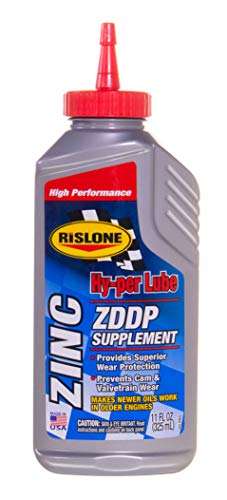
This supplement blends zinc and phosphorus additives to protect internal engine components, reduce friction, and minimize wear, particularly during startup. While not a dedicated sealant, it can contribute to overall engine health and mineral balance, which may support seal integrity over time. It is often used as a preventive boost to oil performance and to help manage high-performance or aging engines that may encounter increased seal demand.
Usage considerations: Not a replacement for leak-specific sealants. Use in conjunction with proper maintenance practices and monitor oil consumption and exhaust behavior to determine whether additional sealant treatments are needed.
Buying Guide: Valve Seal Treatments And Related Considerations
- Identify the symptom: Oil leaks, burning oil, blue smoke, or noisy lifters point to seal issues. Treatments vary in effectiveness depending on the root cause—seal degradation, worn guides, or loose tolerances.
- Understand the mechanism: Many products seal leaks by swelling or rejuvenating seals, while others restore elasticity to rubber components. Some additives also reduce friction or clean deposits that contribute to leakage.
- Engine type and mileage: High-mileage engines and turbocharged or diesel setups may respond differently. Always check the product’s compatibility and dosage guidance for your engine configuration.
- Temporary vs. permanent: Chemical sealants can provide temporary relief for minor leaks or serve as a stopgap before a mechanical repair. Major leaks or damaged gaskets may require replacement parts.
- System checks: After treatment, monitor oil level, exhaust smoke, and engine sound. If symptoms persist or worsen, consult a mechanic for a thorough inspection and potential repairs.
- Synthetic vs. conventional oil: Some treatments mix with conventional oil and synthetic blends. Confirm compatibility with your oil type, oil change schedule, and vehicle warranty terms.
- Safety and maintenance: Use according to label directions, and avoid mixing multiple sealants unless explicitly recommended. Stop driving if oil levels become critically low or if there is severe leak.
Selected products in this guide emphasize seal restoration, oil burn reduction, and general engine protection. For a comprehensive approach, combine a seal-specific treatment with routine maintenance, proper oil changes, and timely valve stem seal inspections when signs of wear appear. Always verify fitment for valve stem seals if you are replacing seals as a repair rather than using a sealing additive.