Best Engine Paints for Heat Resistant Surfaces
When protecting metal surfaces that face high temperatures, choosing the right engine paint is essential. This guide highlights top heat-resistant options designed to withstand engine heat, exhaust exposure, and harsh chemical environments. Each pick helps deter rust, maintain color, and extend the life of automotive components. Below you’ll find concise product profiles, a quick summary table, and a buying guide to help you compare finishes, temperature ratings, and application convenience.
| Product | Main Temperature Range | Best For |
|---|---|---|
| Rust-Oleum 249340 High Heat Primer | Up to high heat applications | Rust prevention and solid base coat on engines and peripherals |
| Rust-Oleum 248903 High Heat Spray | Up to 2000°F (intermittent) | Automotive parts exposed to extreme heat |
| Rust-Oleum 7778830 High Heat Enamel | Up to 1000°F | Barbecue grills, radiators, and engines |
| Rust-Oleum 363567 Engine Enamel | Up to 600°F | Automotive parts with intermittent temperatures |
| Seymour EN-41 Hi-Tech Engine Spray Paint | Up to 300°F | OEM engines and equipment color restoration |
Rust-Oleum 249340 High Heat Primer Spray
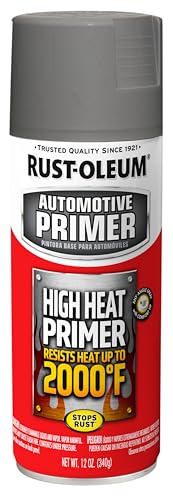
The Rust-Oleum 249340 High Heat Primer is designed to prepare metal surfaces for heat-resistant coatings, including automotive engines and mufflers. This oil-based primer with Stops Rust formulation provides a rust-resistant base coat for vehicles, helping to extend the life of engine components. It covers up to 12 square feet and dries to the touch within 30 minutes, allowing a topcoat to be applied in about an hour. The product emphasizes adhesion to metal and rust inhibition, making it a solid starting layer for heat-resistant finishes.
Key considerations:
– Ideal as a base coat for high-heat enamel systems.
– Rust-preventive properties can reduce corrosion in engine bays.
– Surface prep is important for the best adhesion; follow the label for sanding and cleaning.
– Ventilation and multiple light coats improve durability without run issues.
Rust-Oleum 248903 High Heat Spray Paint
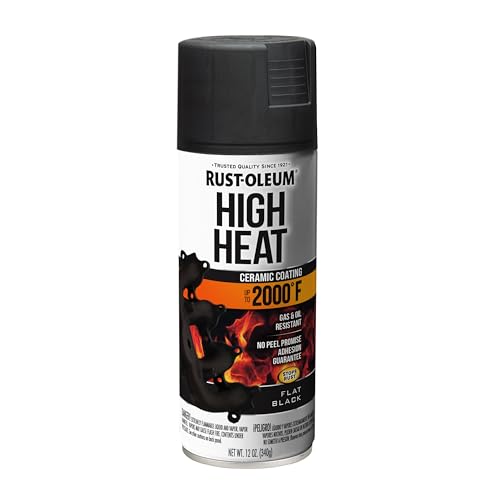
This 12 oz flat black high-heat spray from Rust-Oleum is designed for automotive parts and surfaces exposed to intermittent heat up to 2000°F. The Tough Enamel with Stops Rust formula provides strong rust resistance and long-lasting protection, while drying to the touch in about 30 minutes. It covers up to 10 square feet per can, making it a practical choice for larger engine components or exhaust-related parts. The flat black finish helps conceal wear and grime common in engine bays.
Key considerations:
– High-heat tolerance supports engine and exhaust components.
– Flat finish minimizes shine and elongates the coated appearance.
– Recoat window is relatively quick, enabling efficient project completion.
– Compatibility with a suitable topcoat can further boost scratch resistance.
Rust-Oleum 7778830 High Heat Enamel Spray

The Rust-Oleum 7778830 High Heat Enamel is formulated for exterior metal surfaces subjected to heat up to 1000°F. This oil-based enamel is designed to renew and protect metal items like barbeque grills, wood-burning stoves, radiators, and engines. It offers a finish that combines durability with color retention and covers roughly 7-8 square feet. Drying to the touch occurs in about 30 minutes, enabling faster project completion and easier inspection of coverage uniformity.
Key considerations:
– Suitable for outdoor appliances and engine components exposed to heat.
– Oil-based composition provides rugged bonding but requires proper ventilation.
– The 1000°F rating makes it a versatile option for many automotive scenarios with heat spikes.
– Surface preparation and curing time influence final durability.
Rust-Oleum 363567 Engine Enamel Spray Paint

This Engine Enamel by Rust-Oleum targets automotive parts with intermittent temperatures up to 600°F. It features a rust-preventive formula that resists oil, gas, grease, and weathering elements such as salt and humidity. It dries to the touch in about 20 minutes and covers up to 12 square feet per can. For best results, allow full curing per label directions to ensure maximum hardness and adhesion in engine environments.
Key considerations:
– Balanced performance for typical engine temperatures.
– Rust resistance is important for long-term reliability in harsh conditions.
– Quick dry times aid in faster workflow, though full cure must be observed.
– Color and finish choice influences visual wear concealment in engine bays.
Rust-Oleum 248932 Engine Enamel Spray Paint

This 12 oz gloss black enamel is designed to resist heat up to 500°F and provides gas and oil resistance with the Stops Rust formula. It’s suitable for automotive components that face moderate heat exposure while needing a clean, glossy finish. The enamel helps seal surfaces against moisture and contaminants, preserving appearance and protection over time. It’s a practical option for valve covers, shields, and related parts that don’t reach extreme temps.
Key considerations:
– Moderate heat resistance fits many engine components.
– Gloss black finish offers a durable, reflective surface that hides grime.
– Stops Rust formula supports corrosion protection in oily environments.
– Proper curing enhances scratch resistance and color longevity.
Seymour EN-41 Hi-Tech Engine Spray Paint

Seymour EN-41 Hi-Tech Engine Spray Paint is designed to restore factory color on engines, transmissions, and other OEM equipment. It forms a durable coating capable of withstanding various stress conditions, with heat resistance up to 300°F. The spray is formulated to be chemical and gas resistant, helping maintain appearance and protection even in challenging automotive environments. This makes it a good option for color-matching or restoring OEM finishes on engine components subject to moderate heat and exposure to fuels and additives.
Key considerations:
– Moderate heat tolerance with emphasis on color restoration.
– Chemical and gas resistance improves longevity in engine bays.
– Suitable for OEM color matching and cosmetic restoration, not heavy heat loads.
– Drying and curing times influence final hardness and resistance.
Buying Guide: Key Purchase Considerations
When selecting heat-resistant engine paints, consider the following factors to balance protection, appearance, and practicality:
- Temperature rating: Choose coatings that match or exceed the typical temperatures of the target surface. For exhaust components, look for products rated for higher heat (up to 2000°F) if exposure is frequent or intense.
- Finish and color: A gloss, satin, or flat finish affects both aesthetics and wear visibility. Lighter colors may show through heat-induced discoloration more quickly, while darker colors can mask grime.
- Rust and chemical resistance: Engine environments involve oils, fuels, and road salt. A rust-inhibiting base and chemical resistance extend coating life.
- Adhesion and surface prep: Proper cleaning, degreasing, and rust removal enhance adhesion. Some primers are recommended to improve bonding on bare metal.
- Application method: Sprays offer convenience for complex shapes, while primers and enamels provide robust protection for engine blocks and components with irregular surfaces.
- Cure time and recoat window: Quick-drying products enable faster projects, but ensure complete curing for maximum durability before exposure to heat.
- Recoatability and topcoats: Some primers require or benefit from a topcoat for added scratch resistance and UV protection, depending on the environment.
- Safety and ventilation: Oil-based and enamel coatings emit fumes. Use in well-ventilated areas and follow label safety guidelines.
- Maintenance: Consider how easy it is to clean and repaint if the surface is subject to grime and heat exposure.
In summary, the selected products cover a range of temperatures and finishes to suit different engine components. For high-heat areas, prioritize products with higher temperature ratings and durable rust-prevention formulas. For cosmetic restoration or moderate heat zones, options with color restoration and easier application can provide satisfactory results. Always follow manufacturer instructions for prep, cure, and recoat to ensure maximum performance.