Best Engine Oil Stop Leak Solutions for Your Vehicle
Choosing an effective engine oil stop leak can help minimize oil consumption and seal stubborn leaks without a major repair. The following selections are popular options designed to renew seals, reduce drips, and work across different oil types. This guide highlights five reliable products, summarizes their key features, and provides practical buying considerations for American drivers.
| Product | Brand | Key Benefit |
|---|---|---|
| Lucas Oil 10278 Engine Oil Stop Leak | Lucas Oil | Seals worn seals, compatible with various oil types |
| Bar’s Leaks OS-1 Oil Seal Engine Oil Burning and Leak Repair | Bar’s Leaks | Restores seals and reduces oil consumption |
| ATP Automotive AT-205 Re-Seal Stops Leaks | atp automotive | Fast-acting resealer for multiple systems |
| Bar’s Leaks 1334 One Seal Stop Leak | Bar’s Leaks | Multipurpose sealant for engine, transmission, and PS fluid |
| BlueDevil Oil Stop Leak | BlueDevil Products | Permanent seal with broad engine compatibility |
Lucas Oil 10278 Engine Oil Stop Leak — 1 Quart

The Lucas Oil stop leak is designed to work with petroleum, semi-synthetic, and full synthetic motor oils. It aims to renew worn seals without risk of damage or corrosion and claims to reduce engine noise and oil consumption while raising oil pressure. This product is positioned for users seeking a simple, bottle-application solution without major engine intervention.
Bar’s Leaks Rear Main Seal Repair — 16.9 oz
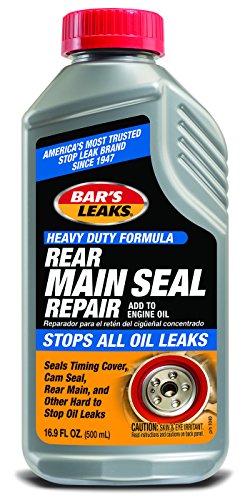
Bar’s Leaks Rear Main Seal Repair is designed to seal timing covers, cam seals, rear main seals, and other leaks. The product is added to engine oil and is marketed as particularly effective for rear main seal leaks, while also performing well on other engine oil leaks. It targets leaks from aging seals and gaskets through chemical sealing action.
Bar’s Leaks OS-1 Oil Seal Engine Oil Burning and Leak Repair

Bar’s Leaks OS-1 is designed for a broad range of gasoline and diesel engines, including turbocharged and hybrid configurations. It aims to renew worn valve seals and guides, reduce oil consumption, and stop oil burning and related blue exhaust. The dosage varies by engine size, making it suitable for many car, truck, and SUV applications.
ATP Automotive AT-205 Re-Seal Stops Leaks — 8 oz

AT-205 Re-Seal is described as a professional-strength resealer that stops leaks fast and rejuvenates seals and gaskets in engines, transmissions, power steering, differentials, and hydraulic systems. It is compatible with conventional and synthetic oils, ATF, gear oil, and other fluids, making it a versatile option for mixed fleet maintenance.
Bar’s Leaks 1334 One Seal Stop Leak — 11 oz

One Seal Stop Leak is designed to work with all engine oil, transmission fluid, and power steering fluids. It offers a guaranteed seal with one bottle treating a single leak system and features a threefold sealer approach to address seal and gasket leaks caused by wear and age. It is positioned as a simple, all-in-one solution for minor leaks.
Lucas Oil 10278 Engine Oil Stop Leak — Revisited
Lucas Oil reintroduces the same formula with emphasis on compatibility across oil types and seal renewal without sealing damage. It claims reduced noise and oil consumption while supporting higher oil pressure, aligning with maintenance routines for vehicles experiencing gradual seal wear.
Buying Guide: Key Considerations For Choosing A Stop Leak
- Engine type and oil compatibility: Verify whether the product works with petroleum, semi-synthetic, or full synthetic oils and whether it suits your engine (gasoline, diesel, turbocharged, EcoBoost, etc.).
- Leak location and seal type: Some formulations target rear main seals, valve seals, or gasket leaks. Choose a product aligned with the leak you observe.
- Usage guidelines: Check dosage instructions, engine size, and whether the product is designed for single-leak vehicles or multiple-system use.
- Longevity vs. immediate fix: Some stop-leaks aim for permanent curing of minor leaks, while others are temporary sealants. Consider your reliability needs and maintenance plan.
- Material safety and compatibility: Look for non-corrosive, compatible formulas that do not degrade oil filters, seals, or engine components.
- Vehicle age and oil consumption: For engines with high oil consumption, assess whether a seal renewal product provides the expected reduction or if professional inspection is recommended.
- Warranty and manufacturer guidance: Some products claim to be compatible with most engines; verify against your vehicle’s manual and warranty terms.
- Application method: Most products are poured into the oil fill, but some may have specific steps. Follow the label for best results.
- Maintenance schedule: If leaks persist after a reasonable interval, consult a technician to avoid potential engine damage.
Product performance can vary by engine design, driving conditions, and leak severity. For best results, use a stop leak as part of a broader maintenance plan that includes regular oil changes and gasket inspections. Always prioritize safety and consult a professional if leaks are significant or accompanied by other symptoms such as unusual noises, smoke, or warning lights.