Best Car Floor Heat Insulation for a Quieter, Cooler Ride
Car floor heat insulation products help reduce heat transfer, dampen road noise, and improve overall cabin comfort. This guide highlights five well-regarded options, covering different thicknesses, finishes, and installation styles to suit common automotive needs. Below you’ll find concise comparisons and practical considerations to help you choose the right heat and sound deadening solution for your vehicle.
| Product | Material Type | Approximate Coverage | Finish / Key Feature |
|---|---|---|---|
| ALLWIN Car Heat Sound Deadening Mat (40″ x 40″) | Aluminum foil finish, closed-cell foam | 10.8 sq ft | Waterproof, self-adhesive, blocks radiant heat |
| Siless Liner 157 mil (4 mm) 36 sqft | Closed-cell PE foam with adhesive | 36 sq ft | Excellent thermal barrier, oil/waterproof, lightweight |
| KILMAT 80 mil 36 sqft | Butyl with foil, self-adhesive | 36 sq ft | Thicker for enhanced insulation, strong adhesion |
| GOSCHE 394 mil 16 sqft | Closed-cell foam, 9.8″ x 15.7″ sheets | 16 sq ft | High density for noise dampening and heat insulation |
| Storystore 394 mil (10mm) 16.5 sqft | Closed-cell foam with heat blocking | 16.5 sq ft | Broad coverage, robust heat and noise reduction |
ALLWIN 40×40 Aluminum Foam Heat Deadener

The ALLWIN insulation mat combines a thick 394 mil layer with an automotive-grade aluminum foil finish. It provides strong radiant heat blocking (up to 98%), making it effective for engine bays, hoods, roofs, and trunks. The material is waterproof, self-adhesive, and low-odor, designed to resist moisture and dampen vibrations. Its 10.8 sq ft coverage suits targeted areas, offering a straightforward DIY installation for single- or multi-area jobs.
Siless Liner 157 Mil 36 Sqft Closed-Cell Foam
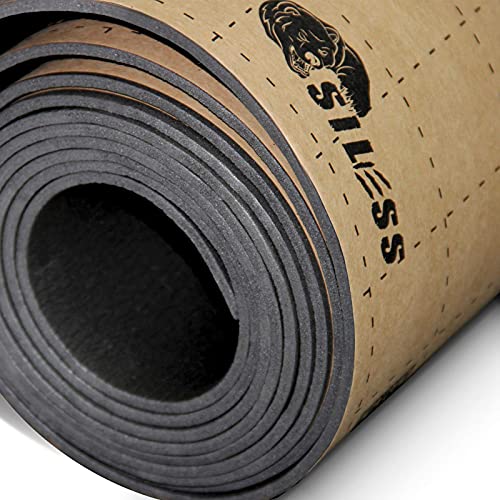
Siless Liner uses closed-cell polyethylene foam with an adhesive layer to deliver reliable thermal insulation with excellent water resistance. It blocks radiant heat effectively (about 98% reduction) and reduces vibrations for a calmer cabin during hot summers and cold winters. The material is lightweight, flexible, and easy to install, making it a popular option for DIY enthusiasts seeking cost-effective, broad-area coverage.
Siless Liner 157 Mil Aluminum Finish 36 Sqft

This variant features an aluminum foil finish combined with closed-cell foam to provide a reflective heat barrier. The aluminum finish enhances heat reflection while maintaining a lightweight profile. An adhesive layer guarantees solid bonding to metal surfaces, improving installation speed and durability in engine compartments and interiors alike.
KILMAT 80 Mil 36 Sqft Butyl Mat

KILMAT uses a thick 80 mil butyl layer with foil for robust sound deadening and heat insulation. This material is self-adhesive, user-friendly for DIY installations, and provides strong weight-to-performance benefits. The 36 sq ft size offers ample area coverage for larger panels, doors, and under-floor sections, delivering noticeable reductions in noise and heat transfer across a broad area.
GOSCHE 394 Mil Car Sound Deadener (16 Sq Ft)

GOSCHE’s 394 mil dense foam delivers superior noise reduction and vibration dampening. The 9.8″ x 15.7″ sheets are designed for flexible placement in tight spaces, such as door panels or curved surfaces, while also blocking heat from engine and exhaust sources. This option prioritizes quiet cabin acoustics and steadier ride quality in a compact footprint.
Storystore 394 Mil 16.5 Sqft Heat Shield

Storystore offers a 394 mil thick insulation mat covering 16.5 square feet, providing substantial heat and sound blocking capabilities. Its closed-cell structure helps resist moisture and reduces heat transfer from engine bays to the cabin. The generous area makes it suitable for larger sections, including floors and long panels, delivering a balanced approach to quiet and comfort in various car models.
Buying Guide: Key Purchase Considerations For Car Floor Insulation
- Material density and thickness: Thicker, denser foams generally provide better heat blocking and vibration dampening but are heavier and may be harder to fit in complex spaces. Choose a thickness based on target areas and installation difficulty.
- Finish and moisture resistance: Aluminum foil finishes reflect radiant heat, while closed-cell foams resist moisture and humidity. If you drive in humid climates or expect moisture exposure, prioritize waterproof or water-resistant options.
- Adhesion & installation: Self-adhesive products simplify installation but require thorough surface cleaning and careful cutting. Some products perform better with rollers or additional contact adhesives for tricky curves.
- Coverage area: Compare total square footage to your project. Larger areas like door panels and floors benefit from big sheets; smaller or irregular spaces may need multiple pieces with precise cuts.
- Thermal and acoustic balance: Some products emphasize heat reflection (foil finishes), others emphasize vibration dampening (dense foams). For a quiet, comfortable ride, a combination approach across panels may be ideal.
- Durability and odor: Look for materials rated for automotive temperatures and minimum odor. Water resistance and long-term durability reduce maintenance concerns.
- DIY vs professional installation: If you’re new to car insulation, consider kits with pre-cut shapes or more forgiving adhesives. In complex vehicles, professional installation can optimize coverage and performance.
- Vehicle type and climate: Cars in hotter climates benefit from stronger heat barriers, while colder regions may prioritize vapor and moisture resistance to prevent condensation-related issues.
When evaluating options, align product features with the specific parts of your vehicle you plan to insulate—floor pans, footwells, wheel wells, doors, and trunks. Offset any trade-offs between weight, thickness, and coverage by selecting a combination of materials that maximize both thermal protection and sound reduction. This approach helps achieve a quieter cabin and a more comfortable interior regardless of driving conditions.