Best Bike Rack for Heavy Electric Bikes
Finding a sturdy, reliable rack for heavy electric bikes requires weighing capacity, ease of use, and protection for your expensive gear. This guide highlights top options designed to carry two e-bikes with fat tires, while fitting common 2-inch receivers on cars, SUVs, and trucks. Each option emphasizes stability, ease of loading, and anti-wobble features to keep bikes secure on the road.
Overview of selected products:
| Product | Capacity | Receiver | Notable Feature |
|---|---|---|---|
| Young Hitch Mount Bike Rack with Ramp | 200 lbs total | 2 inch | Ramp for easy loading of two e-bikes |
| E-Bike Rack with Ramp (Young Electric Store) | 200 lbs total | 2 inch | 5-inch tire compatibility, anti-wobble design |
| CyberRack S2 Ebike Rack | 300 lbs total | 2 inch | Foldable, heavy-duty carry for two e-bikes |
| Delta Cycle Michelangelo 2 Bike Storage Rack | 80 lbs per two bikes total | Wall-mounted, not a hitch rack | Vertical, space-saving gravity stand |
| Young Bike Rack Hitch for Car | 200 lbs total | 2 inch | Tilting for trunk access, foldable |
Young Electric Store E-Bike Rack with Ramp

E-Bike Rack With Ramp By Young Electric Store
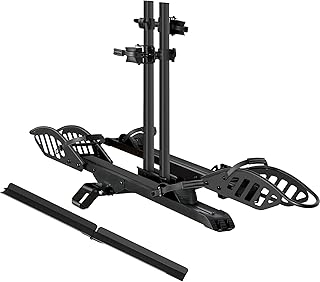
Capacity supports two e-bikes with a combined 200 pounds. Features a V-groove ramp for simple loading, fits tires up to 5 inches wide, and is designed for 2-inch receivers. Anti-wobble and enhanced grip provide secure transport for heavy electric bikes. Three-point ratchet strap system minimizes scratches while maintaining stability during travel.
CyberRack S2 Ebike Rack

The CyberRack S2 offers a robust 300 lbs total capacity with a foldable design for tow-hitch use. It supports two e-bikes up to 5-inch fat tires and a 2″ receiver. The rack is designed for heavy electric bikes with a focus on stability, ease of loading, and long-term durability for frequent use.
Delta Michelangelo 2 Bike Storage Rack
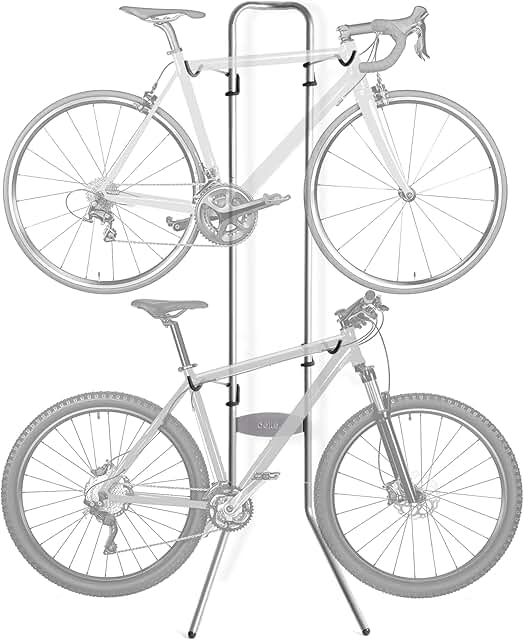
Unlike hitch-mounted options, this gravity-driven, wall-mounted rack stores two bikes up to 80 lbs total. It suspends bikes safely with a compact footprint, ideal for apartments or garages with limited space. The vertical design and rubber feet provide stability and protection for road, MTB, and hybrid bikes up to 40 lbs per bike.
Young Bike Rack Hitch for Car

This hitch-mounted rack is designed for two standard bicycles with a combined weight up to 200 lbs. It features soft padded hooks to prevent frame scratches, a wobble-free fit with a 2-inch receiver, and a rear safety reflector for improved visibility at night. It folds for storage and tilts to provide trunk access without removing bikes.
Buying Guide
When choosing a heavy-duty bike rack for electric bikes, consider capacity, compatibility, ease of loading, and vehicle fit. Key factors include:
- Weight capacity: Look for racks rated for at least 200 lbs total for two heavy e-bikes; some models push to 300 lbs for additional headroom.
- Wheel and tire width: Fat tires up to 5 inches require wider tire holders and secure grip. Ensure the rack accommodates your bike’s wheelbase.
- Receiver compatibility: Most heavy-duty racks require a 2-inch hitch receiver. Verify the receiver type on your vehicle and the rack’s fit.
- Loading mechanism: Ramp loading (manual or assisted) reduces strain and helps with heavy bikes. Consider a tilt feature for trunk or tailgate access.
- Security and stability: Anti-wobble systems, ratchet straps, and padded contact points protect bikes and minimize movement on the road.
- Installation and maintenance: Easy installation, clear manuals, and accessible replacement parts extend rack life and reduce setup time.
- Space and storage: Floor space in a garage or trunk space when not in use matters; folding or vertical designs save room.
From a performance perspective, hitch-mounted racks with anti-wobble features and padded contact points are generally favorable for two heavy e-bikes. Racks with ramps simplify loading, especially for riders who frequently swap batteries or transport new bikes. For garage setups with limited space, wall-mounted racks offer space-saving alternatives, though they’re not compatible with vehicle transport.
Consider also how often you travel with bikes. If you frequently load and unload, prioritize ease of use and robust construction. For occasional use, a lighter, space-saving option may be sufficient. Always follow manufacturer guidelines for weight distribution and securement to ensure safety on every trip.