Best Automotive Heat Reflective Tape for High-Temp Protection and Repairs
When protecting engine bays, exhaust systems, hoses, and other heat-prone components, a reliable heat reflective tape is essential. This guide highlights five top-rated options designed to reflect radiant heat, endure high temperatures, and provide sturdy adhesion for automotive and industrial uses. Each entry covers material composition, thermal performance, and practical applications to help you choose the best fit for your project.
| Product | Brand | Key Benefit | Typical Use |
|---|---|---|---|
| Design Engineering Cool-Tape | Design Engineering | Up to 2000°F radiant heat resistance | Heat shielding in engines, exhaust components |
| BOMEI PACK 1 Roll Aluminum Foil Tape | BOMEI PACK | Fiberglass with aluminum outer layer, high durability | Hoses, panels, wires, bulkheads |
| Design Engineering 10396 Reflect-A-Gold | Design Engineering | Up to 850°F continuous temperature | Firewalls, bulkheads, engine covers |
| FIREWESS Aluminum Foil Tape | FIREWESS | Waterproof, flame-retardant, strong adhesion | Exhaust wraps, hoses, auto repair |
| AuInn Self-Adhesive Heat Reflective Tape | DazzyD | Up to 1022°F direct and radiant heat | Engine components, electronics, wiring |
Design Engineering Cool-Tape | Self-Adhesive Heat Reflective Tape

This self-adhesive, aluminized heat reflective tape is designed for extreme heat protection. The product combines a 1 mil aluminized layer with a woven glass fiber backing, delivering a balance of lightweight flexibility and durable thermal resistance. It can withstand radiant heat up to 2000°F, making it suitable for high-temperature environments where protecting components is critical. The strong adhesive backing allows fast, tool-free installation on a variety of surfaces, including metal and composites. Typical uses include shielding firewall components, exhaust sections, and engine covers where heat exposure is intense.
Key features include high-temperature radiant heat protection, Pro-QGrade quality materials, and a bonded backing designed for reliable long-term performance. When applying this tape, ensure clean, dry surfaces for maximum adhesion. It is particularly effective where space is limited but heat exposure is significant, offering a flexible solution that conforms to curved surfaces without sacrificing protection.
BOMEI PACK Aluminum Foil Heat Shield Tape

This roll uses an aluminum foil outer layer bonded to a fiberglass fabric backing for enhanced heat resistance and durability. The tape is designed to withstand high temperatures, resist wear, and maintain adhesion even in challenging environments. It’s a versatile option for automotive parts, airboxes, dashboards, hoses, and bulkheads where radiant heat management is beneficial. The 66-foot length allows ample coverage, and its strong adhesive backing helps ensure reliable installation without tools or clamps. It can be trimmed to fit complex shapes and tight spaces while maintaining reflective performance.
Design Engineering Reflect-A-Gold 2″ Tape

This high-temperature reflective adhesive-backed insulation tape is designed for a wide range of heat-control tasks. It supports continuous operation up to 850°F, helping to shield components and surfaces from radiant heat damage in engines, bulkheads, floors, and other high-heat zones. The adhesive backing provides a secure bond to metal, plastic, and composite substrates, enabling reliable performance in automotive applications. For best results, apply after surface cleaning to ensure a long-lasting seal against heat exposure.
FIREWESS Aluminum Foil Heat Shield Tape

This silver aluminum-foil tape combines fiberglass fabric with an aluminum outer layer for enhanced waterproofing, heat resistance, and corrosion resistance. The tape is described as durable and easy to work with, featuring a strong adhesive designed to prevent curling and residue. It performs well in daily automotive tasks, including exhaust sealing, hose wraps, and bulkhead protection. Its resilience makes it a practical choice for both temporary repairs and longer-term heat management projects.
AuInn Self-Adhesive Heat Reflective Tape
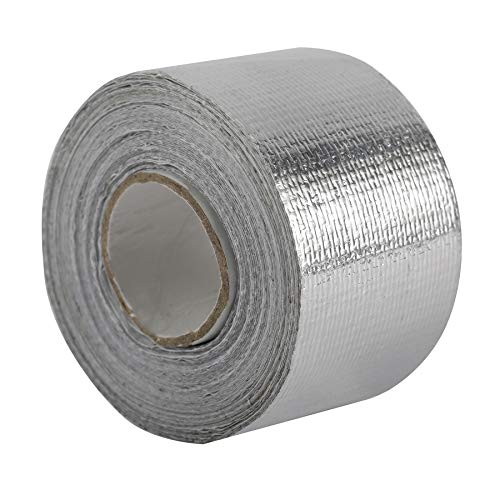
AuInn offers a fiberglass-based heat-resistant tape with a robust self-adhesive backing. It supports up to 1022°F for both direct and radiant heat, making it suitable for engine components and electronics that face high heat exposure. The tape is designed to be flexible and easy to use, allowing straightforward installation on curved or uneven surfaces. This option provides a balance of heat tolerance and adaptability for automotive repairs or insulation projects where heat control is needed.
CHUANGSEED Aluminum Foil Fiberglass Tape

This tape uses a durable aluminum-plated outer layer with reinforced fiberglass, delivering wear resistance, high-temperature tolerance, waterproofing, and corrosion resistance. It comes in a generous 90-foot length, making it suitable for automotive parts, HVAC components, and general home repairs where radiant heat control is beneficial. The self-adhesive backing simplifies installation on curved or uneven surfaces and maintains integrity under tension, making it a versatile option for engines, dashboards, wires, and hoses.
Sporacingrts Heat Barrier Tape

Made from high-quality glass fiber, this tape is designed for firewall, hood, hoses, and other components where radiant heat control is essential. It carries a caution to avoid use on exhaust pipes, reflecting a focus on insulation needs rather than direct exhaust contact. The self-adhesive backing simplifies application, allowing quick coverage of large areas or irregular shapes. This option is well-suited for automotive applications where reflective heat shielding is essential but flexibility and ease of use are priorities.
A-Team Performance Heat Shield & Thermal Tape
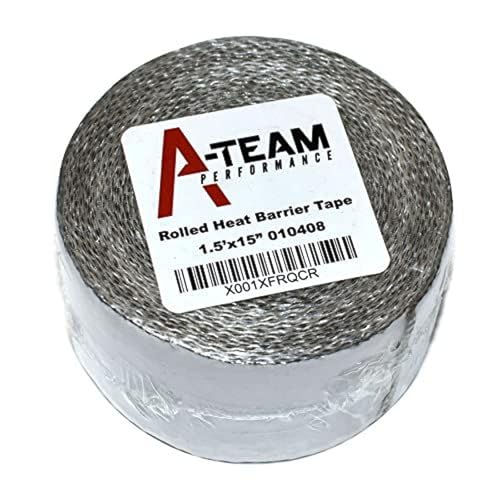
A-Team Performance offers a versatile 1.5-inch by 15-foot roll designed for radiant barrier and high-temperature insulation tasks. The tape is engineered to withstand radiant heat up to 2000°F, with direct heat protection up to 400°F, making it a robust choice for exhaust hoses and wiring that encounter intense heat. It serves well in both indoor and outdoor automotive environments, providing reflective efficiency along with a durable adhesive that adheres to metal, plastic, and composites. This tape is suitable for engines, intake systems, and other hot zones where reliable heat management is necessary.
Buying Guide: How to Choose The Right Heat Reflective Tape
- Temperature Range: Compare continuous and radiant heat tolerance. For engine bays or exhaust areas, select tapes rated well above typical operating temperatures.
- Material Composition: Aluminum foil, fiberglass backing, and aluminized films influence durability, flexibility, and adhesion. Fiberglass-backed tapes tend to resist tearing, while pure aluminum foils excel at reflection and moisture resistance.
- Adhesive Performance: Look for self-adhesive backings designed for high surface energy metals, plastics, or composites. Surface preparation (clean, dry) improves bond strength.
- Surface Compatibility: Consider curved or uneven surfaces; flexible tapes conform better but ensure they won’t crack or peel with temperature cycling.
- Application Environment: Outdoor exposure, humidity, and vibrations affect adhesive longevity. Choose tapes with waterproofing or corrosion resistance if exposed to the elements.
- Roll Size and Coverage: Longer rolls reduce replacement frequency for larger projects. Calculate total length needed for firewall wraps or hose covers.
- Safety Considerations: For electrical or fuel system areas, verify material compatibility with fuels, oils, and electrical insulation requirements.
- Warranty and Certifications: When available, check manufacturer specifications and any applicable automotive-grade certifications for reliability.
In summary, the right heat reflective tape depends on the exact temperature exposure, surface type, and installation conditions. The options above supply a range of ultra-high radiant heat resistance, strong adhesion, and flexible backing to address common automotive heat-management challenges.},