Best Radiator Additives to Stop Leaks for Modern Cooling Systems
When a cooling system shows signs of leaks or cooling performance drops, a radiator additive can provide a quick, permanent-sealing solution without draining your coolant. The following selections are widely used for sealing radiators, heater cores, and related components. Each product emphasizes compatibility with common cooling fluids and metals, ease of use, and durable seals.
| Product | Brand | Key Benefit |
|---|---|---|
| Bar’s Leaks 1109 Liquid Copper Block Seal | Bar’s Leaks | Permanently seals leaks in plastic, aluminum, and cast iron cooling components; no draining required |
| Bar’s Leaks Radiator Stop Leak, 11 oz | Bar’s Leaks | Seals internal and external leaks; helps protect against future leaks with rust inhibitors |
| Bar’s Leaks Cooling System Radiator Stop Leak 16.9 oz | Bar’s Leaks | Seals radiator and freeze plug leaks; aims to lower overall leakage risk |
| Liqui Moly Radiator Stop Leak 250 ml | Liqui Moly | Completely seals leaks immediately; suitable for both cooling water and heating systems |
| XADO ATOMEX Stop Leak Radiator Coolant Additive | XADO | Stops leaks, seals radiators, and protects against future leaks with compatibility across materials |
Note: This article presents objective information about products commonly used to stop radiator leaks. Always follow the manufacturer’s instructions and consult a professional if you suspect significant cooling system damage or persistent leaks.
Bar’s Leaks 1109 Liquid Copper Block Seal

The Bar’s Leaks 1109 Liquid Copper Block Seal offers a one-step formula designed to permanently repair coolant loss across a wide range of systems. The product is compatible with antifreeze and is designed to work without draining the cooling system. The liquid glass penetrant helps streams of coolant seal large and small leaks in plastic, aluminum, and cast iron components such as heads, blocks, intake manifolds, gaskets, and radiators. By forming a reinforced matrix, it aims to seal leaks while maintaining cooling efficiency. Proper use requires following the label directions to avoid potential over-sealing or blockages. This option is widely used for mass-market vehicles, trailers, and motorhomes with mixed metal cooling circuits.
Key references: non-draining, antifreeze-compatible formula; penetrates and seals leaks; designed for intake manifolds, gaskets, heater cores, and radiators. Consider this option if you want a single-step solution without system downtime.
Bar’s Leaks Radiator Stop Leak, 11 oz

This Bar’s Leaks formula is a pelletized stop-leak option that travels through the cooling system to seal leaks. It is designed to seal internal and external leaks and can help address larger leaks better than some competing products. The solution works on plastic, aluminum, and metal radiators, heater cores, blocks, heads, gaskets, and freeze plugs, providing a broad sealing range. It also includes lubrication for the water pump seal and may help inhibit rust and corrosion within the cooling loop. For ongoing protection, repeat applications may be recommended at intervals or mileage thresholds. This product is often favored for its ease of use and broader seal range for multiple leak locations.
Key references: pelletized distribution for broader sealing; seals leaks in various radiator components; rust and corrosion inhibition aids long-term protection.
Bar’s Leaks Cooling System Radiator Stop Leak 16.9 oz
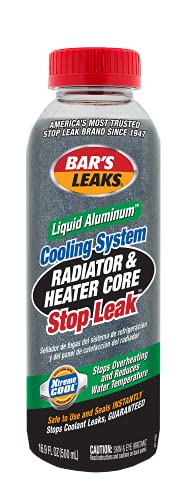
This Bar’s Leaks option emphasizes sealing radiator leaks and freeze plug leaks with a liquid aluminum sealant. It is designed to seal leaks across radiators, heater cores, and related cooling components while aiming to lower coolant temperature by addressing loss paths. The product focuses on durability and broad compatibility, supporting both plastic and metal radiator systems. The formula is marketed to seal leaks and reduce the likelihood of recurring seepage, contributing to overall cooling system integrity. As with any sealant, proper dosage and system condition are important for optimal results.
Key references: liquid aluminum sealant; seals radiator and freeze plug leaks; aims to lower cooling system losses through durable sealing.
Liqui Moly Radiator Stop Leak 250 ml

Liqui Moly Radiator Stop Leak is designed to completely seal leaks quickly and effectively. It is described as suitable for all cooling water and heating systems, including those with or without water filters. The product aims to provide a reliable seal without the need for extensive repairs, helping to protect against coolant loss and potential engine damage due to overheating. Liqui Moly emphasizes compatibility with a variety of system materials, making it a common choice for European and American vehicles alike. As with all sealants, it is important to monitor the cooling system after application to ensure the leak remains controlled.
Key references: rapid sealing of leaks; compatibility with heating and cooling systems; suitable for systems with and without water filters.
XADO ATOMEX Stop Leak Radiator Additive

XADO ATOMEX Stop Leak is marketed as an affordable fix to stop leaks and restore radiators while preventing future leakage. The additive is described as compatible with both gasoline and diesel engines and various radiator materials, including aluminum, plastic, rubber hoses, and steel. The product aims to protect the cooling system by sealing leaks and maintaining smooth engine performance, reducing reliance on expensive repairs. Its versatility across engine types and materials makes it a popular option for mixed fleets or older vehicles needing a simple remedy that minimizes downtime.
Key references: affordable, versatile radiator sealant; compatible with multiple materials; aims to prevent future leaks and protect engine cooling performance.
Buying Guide: Key Considerations For Choosing A Radiator Additive
Selecting the right radiator additive requires weighing system material compatibility, leak severity, and long-term maintenance goals. Consider the following factors to guide your choice:
- System compatibility: Ensure the product is compatible with your cooling system’s materials (plastic, aluminum, copper, steel). Some formulas are optimized for certain metal combinations and may affect seals differently.
- Leak severity and location: For small leaks, a liquid sealant may be sufficient, while larger leaks or multiple areas may benefit from a pelletized or stronger formulation. Heavier-duty tablets or aluminum-based recipes may provide broader sealing capability.
- Ease of use: Some products require pouring directly into the radiator, while others use pelleted or tablet forms. Consider whether you prefer a one-step solution or a multi-step process.
- Temperature and pressure tolerance: Choose a product that matches your vehicle’s operating temperature range and pressure conditions to ensure a durable seal without blocking passages.
- Future protection: Some formulas offer rust inhibitors or anti-corrosion agents to extend cooling system life, reducing the risk of future leaks.
- Maintenance and monitoring: After application, monitor coolant levels and temperature behavior. If leaks persist or worsen, professional inspection is advised.
In summary, radiator leak sealants provide a practical, non-invasive option for addressing leaks in many cooling systems. When selecting a product, align the choice with your vehicle type, materials, and the severity of the leakage to maximize the chance of a lasting seal.